
Crying Over Bruna's Chicken
On food, identity and legacy

I read something so poignant and quietly heartbreaking in a book recently. It was a woman questioning whether she was even Korean anymore, since the passing of her Korean mother. She no longer had anyone with whom to share the heritage, the knowledge – to witness her Korean identity and wordlessly validate it.
One thing helped her connect: going to the Korean supermarket. There, she said – though her mastery of the language left a lot to be desired – she felt fluent in Korean. It was there that she allowed herself to miss her mother the most, often crying in the aisles, whereas other, seemingly sadder settings wouldn’t move her.
This struck a chord with me. Food is so powerfully wrapped up in one’s identity – at least in my experience. For me, it’s intrinsic to who I am and how I learnt to express love. I could never diminish food – such a complex part of life – to something as one-dimensional as “fuel”.
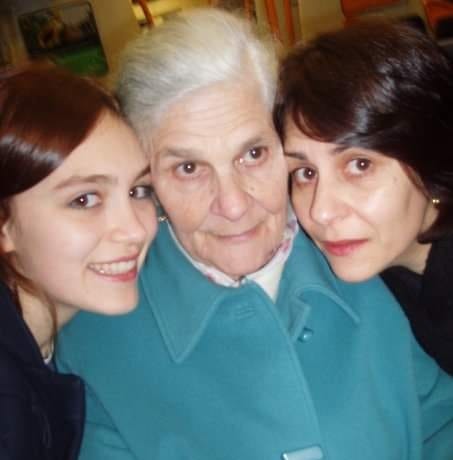
It’s a way to carry on a heritage that might otherwise be lost. Like the woman in the book, I don’t speak the best Italian but I cook the food of my mother and grandmother with a deep reverence. These recipes feel almost sacred to me – a precious secret lovingly handed down from one woman to the next. By cooking these dishes I’m telling people: this is where I come from – look.
***
Unlike the girl in the book, I don’t question my Italianness, even though my claim to it is getting weaker – a few fine threads admirably holding on.
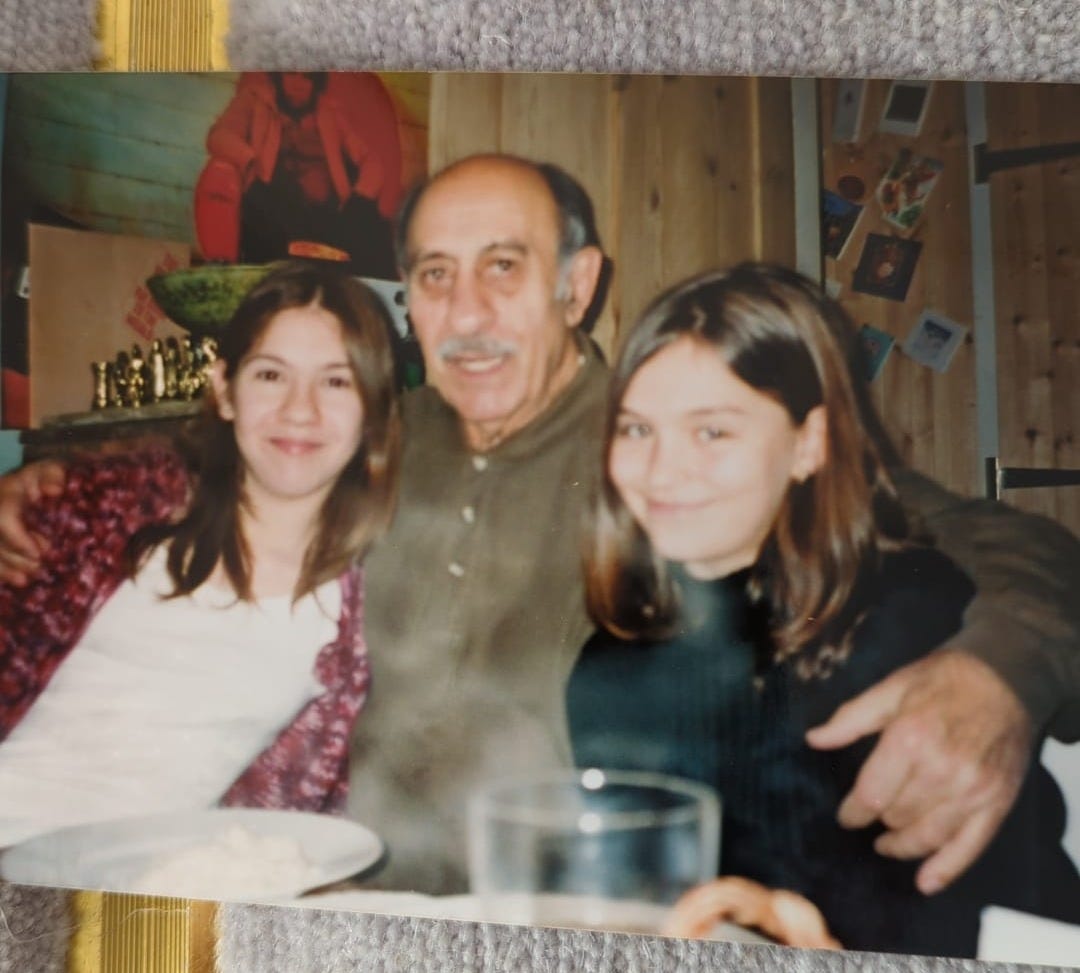
My nan and grandad raised their children here in England and wanted them to fit in and speak English well. This positive instinct was distorted into something less so when a teacher at school fed back that they were “confused,” speaking too much Italian, and were to stop if they wanted to succeed. My grandad, who was a natural at languages, stopped speaking so much of his native tongue at home in an effort to de-prioritise it in his young children’s minds. My mum, who can speak Italian, remains nervous to – still carrying the message she absorbed as a child: that to speak Italian is to do something wrong.
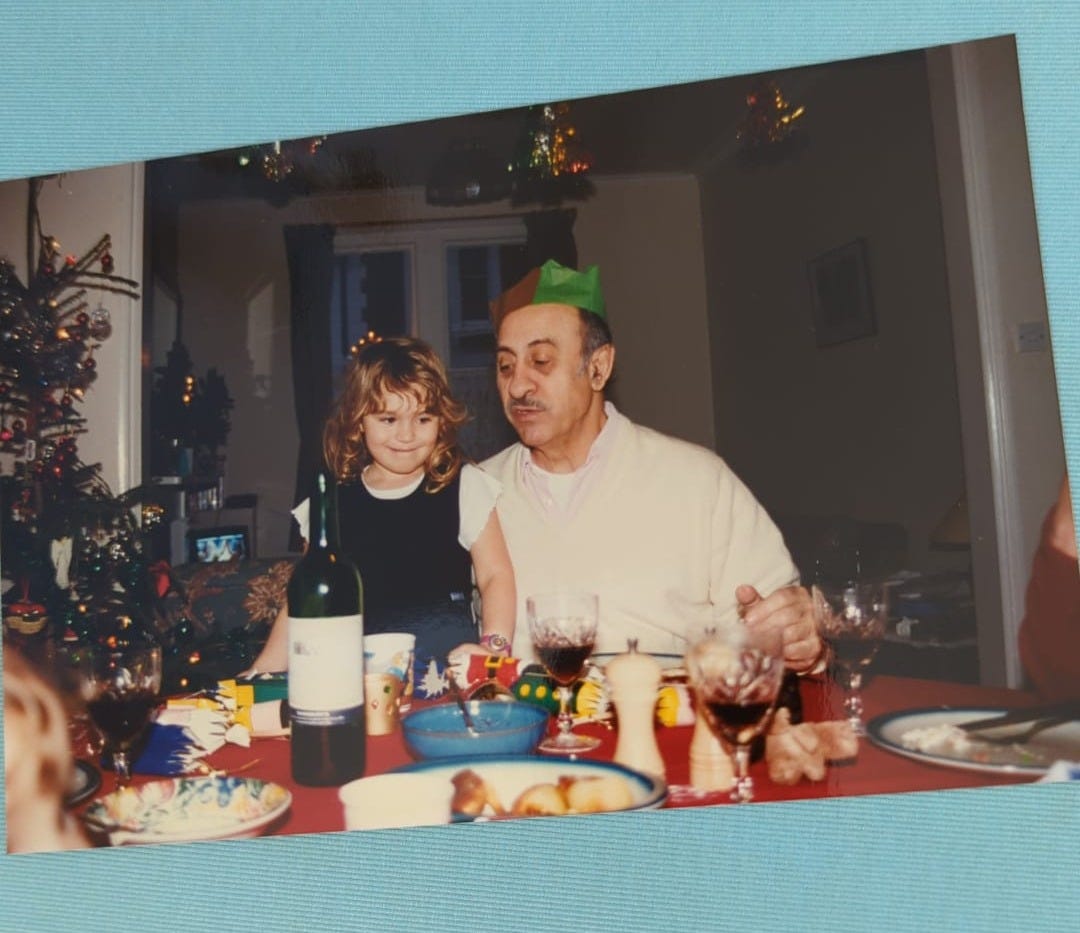
So she didn’t teach me the language when I was growing up, and the Englishness of our family was only amplified by her marrying a British man, my dad.
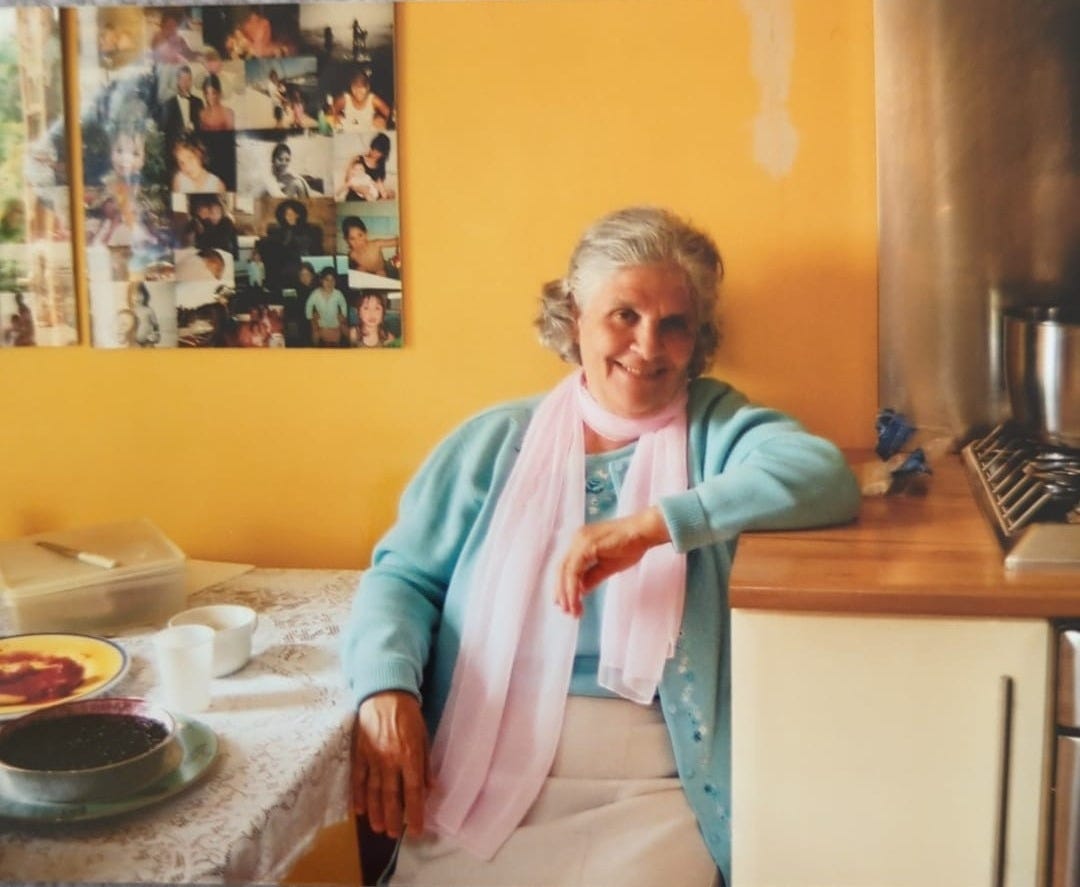
Now that nan and grandad are no longer with us, I don’t have their very Italian house to connect me to my roots – to that part of my identity. We have relatives in Italy that we visit now and then, but without nan, it’s not quite the same.
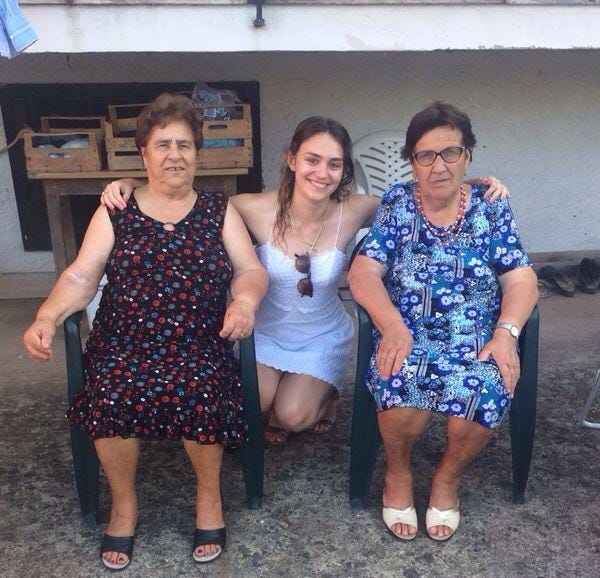
And yet I feel my identity so strongly. I feel it in my blood and social preferences: I find people easier to understand when they’re more direct and open, rather than when they follow the British tendency to dance around the point and not say what they really mean in the desperate pursuit of “politeness.” But I also feel it in my tastebuds.
I like the food my nan liked: very bitter flavours, like dark leafy vegetables and green peppers instead of red ones; and simplicity over pretentiousness – a tomato sauce done well or a beautifully dressed salad.
Plus, despite never having lived there, I feel a strange pull towards Italy – like I’m a moth and it’s a bright light. The world is so big, and yet I’d happily go back there year after year. Even though I’m undeniably British in many ways, I feel very comfortable there – like, yes, I get it: me and you, Italy, we’re on a wavelength.
***
I ate some chicken the other day that nearly made me cry. It was cooked by a woman called Bruna – an Italian caterer in London – and given to me by a Sardinian lady called Caterina, whom I instantly warmed to on account of being Sardinian, like my grandfather, but also for her immediately apparent kindness.
I had been helping out at an event at an Italian club, and there was some food left over at the end. I’d kept refusing offers of pasta and pieces of cake throughout the evening, so Caterina came up with a plan B: she packed an entire meal for two for me to take home, including two types of lasagne, salad wrapped in tin foil, and even half a loaf of bread.
“You’re being too generous,” I hopelessly protested.
“We Sardinians look after each other,” she said with a wink.
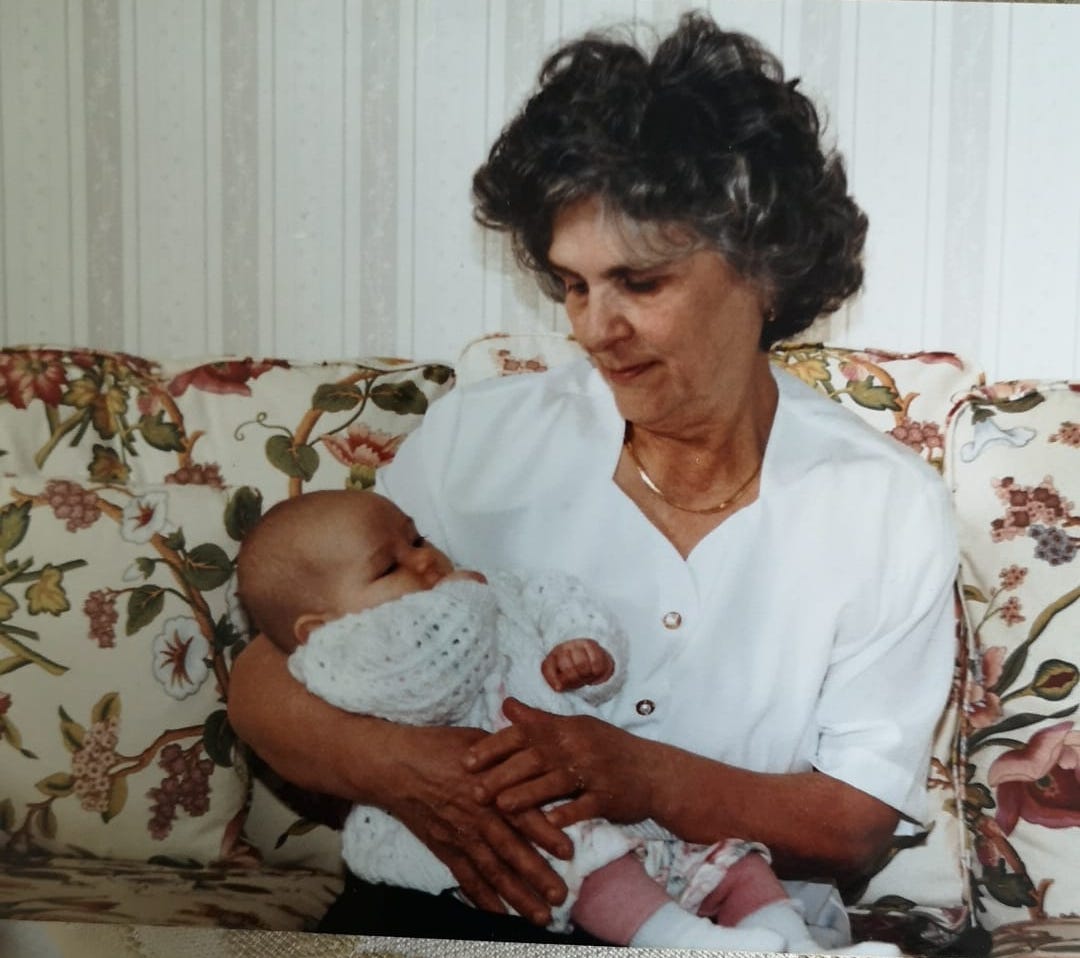
It was so sweet and nurturing and reminded me of my grandmother, who wouldn’t allow us to leave her place empty-handed. Even if my mum told her we didn’t need anything, she would smuggle something into a bag or secretly slip my brother and me a chocolate bar.
Anyway, I went home from the event grateful and peckish, so I decided on some late-night cold chicken that was in the package, alongside the considerably weighty slabs of lasagne.
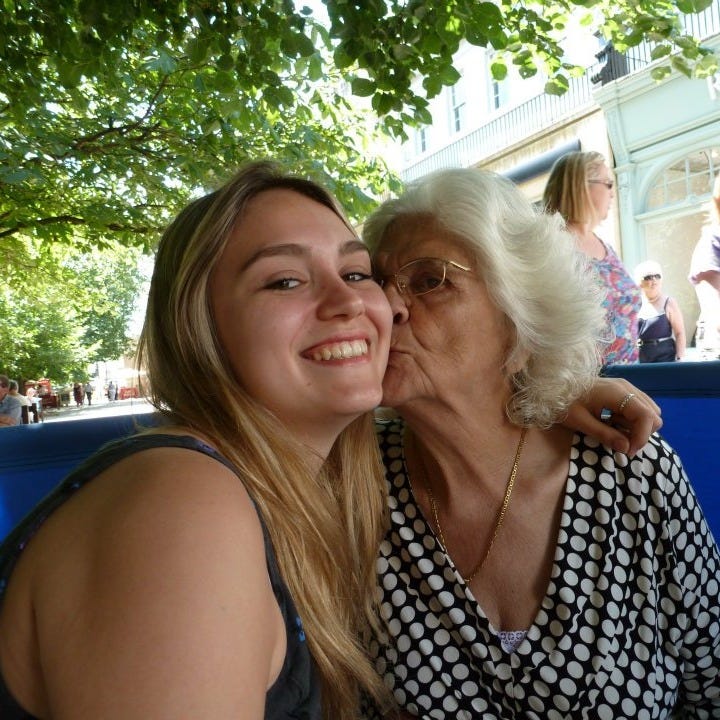
I knew from the look and smell of it that it was similar. It was nothing fancy – just breaded, shallow-fried, flattened cutlets, the type all Italian mums and nonnas make. It wasn’t necessarily something to elicit such an emotional response, but I hadn’t tasted chicken like it in years. It was exactly how my nan used to make it. Close my eyes, and I could have been there – in her very Italian house in Kent.
Bruna and Caterina didn’t know it, but they’d given me a little moment of time travel, of memory. Food is like that – it lets you access the past and be there for a while.
***
The book I’m reading is called Crying in H Mart, and I can relate. I could pen my own version: Crying Over Bruna’s Chicken.
Maybe it’s a universal experience for second and third generation immigrants: a strong pride in your heritage butting heads with a desperate sense that it’s getting further and further away.
I know my future kids won’t feel Italian like I do. I’m married to an Albanian and if any culture is as proud as the Italians, it’s the Albanians. Plus, if they’re anything like me, they will be fiercely proud of their heritage and cultural identity, wearing their Albanianness on their sleeves the way I wear my Italianness on mine.
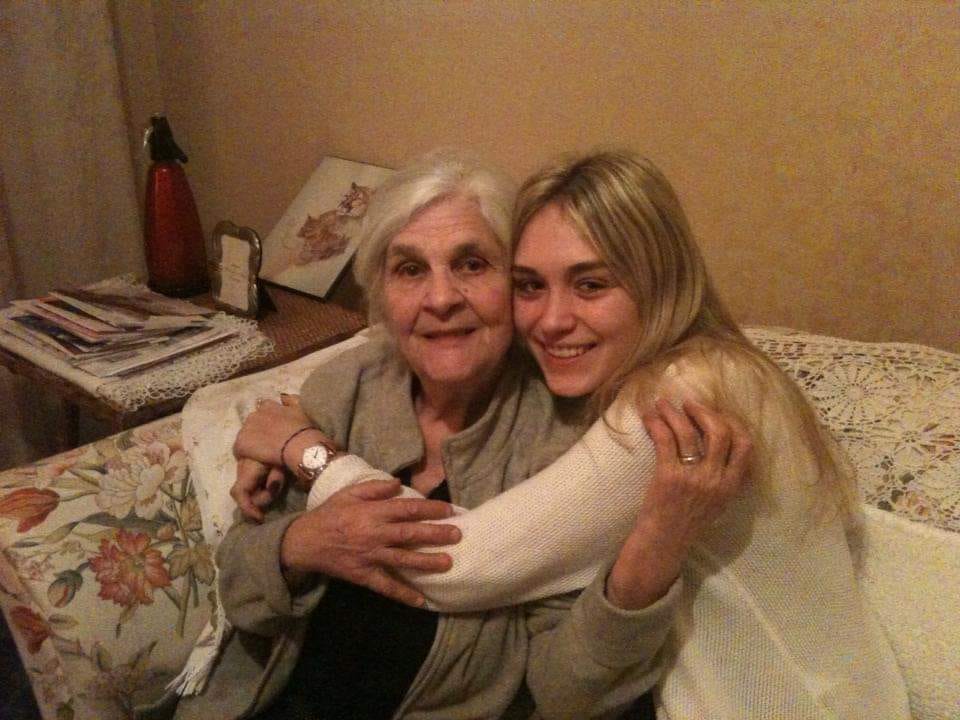
But I will still cook the food of my mother and grandmother for them, passing on that special knowledge and family history. Food is a window into the past – and a way to bring the past with us into the future.
Instead of recommendations this week, it seems fitting to offer a recipe instead.
This is a simple, slow-cooked tomato sauce to go with pasta that my Italian grandmother used to make. It’s one of those recipes that turns very little into something magical and, as you will see, contains some very idiosyncratic instructions. If you make it, I would love to hear how it turns out.
Nan’s “orange” tomato pasta
Serves 2
Ingredients:
1 tin plum tomatoes
1 white onion, diced
2 cloves of garlic, finely chopped, thick end removed – “otherwise it will be bitter”
1 squirt tomato puree
Water (use the tomato tin to measure)
A big handful of fresh parsley
250g pasta of your choice (fusilli is mine)
Salt
Parmigiano Reggiano, very finely grated
Extra virgin olive oil
Method:
Prepare the onions: Heat a generous glug of extra virgin olive oil in a saucepan over low heat. Add the diced onion and a pinch of salt to release the flavour. Cook slowly, stirring regularly, until the onion is very soft and sweet but not browned. This can take 15–20 minutes – don’t rush it, as this is what build flavour.
Cook the tomato puree: Push the onions to the edges of the pan and make a small space in the middle. Add the tomato puree and let it warm for a minute or two, moving it around before mixing it with the onions. Nan always said this step was very important so I obediently stick to it.
Add the garlic: Stir in the chopped garlic and cook for another 2 minutes, being careful not to let it burn.
Prepare the tomatoes: Remove the tomatoes from the tin and chop off the stalk ends (this is another thing that can make your sauce too bitter, said nan). Finely chop the tomatoes and add them to the pan along with their juice.
Add water: Pour in a tinful of water (use the empty tomato tin to measure) to collect any remaining tomato juice.
Season and add parsley: Add a generous pinch of salt (measure by pouring into the palm of your hand). No black pepper please. Then, tuck in a big handful of fresh parsley – no need to chop it, it will infuse the sauce like a herby teabag.
Simmer the sauce: Lower the heat, cover with a lid, and let the sauce bubble gently for 2 hours or until the colour changes from bright, postbox red to a mellow red-orange. Taste halfway through and add more salt if needed. I know 2 hours sounds like a long time, but if you want a truly great tomato sauce (made with tinned tomatoes) this is how long it takes.
Optional resting: For even better flavour, turn off the heat once it’s cooked and let the sauce sit for a while. Reheat gently when ready to eat. I don’t know why this works but it always does.
Cook the pasta: Boil plenty of water in a large pan and generously salt it. Cook the pasta, stirring often, and taste toward the end to see when it’s done.
Combine pasta and sauce: Drain the pasta, reserving a little pasta water. Quickly toss the pasta with the sauce, adding some reserved water if needed, until it reaches a silky texture and all the pasta is evenly coated.
Serve: Place in a big bowl on the table so everyone can help themselves. Provide plenty of finely grated Parmigiano Reggiano to sprinkle on top and serve with a salad – beautifully dressed, of course.
Thank you for reading and see you next week.
G x
Mate, this is such a wholesome, thoughtful ode to your heritage. I'm sure your grandparents would be chuffed you're holding on dearly to your connection to Italian food and the hospitality they passed down. Lovely reflective piece. Keep it coming!
Beautifully written that literally had me in tears , because as described food is love and resonates with us all , we all need to find home and re connect recipes passed down are sacred.,so thank you for sharing , I will definitely be making tomorrow to give love to our table. Again this is the most beautiful writing I've had the pleasure of reading for a long time , thank you ❤️