
Carbs are healthy again!
And the futility of reductionism in food

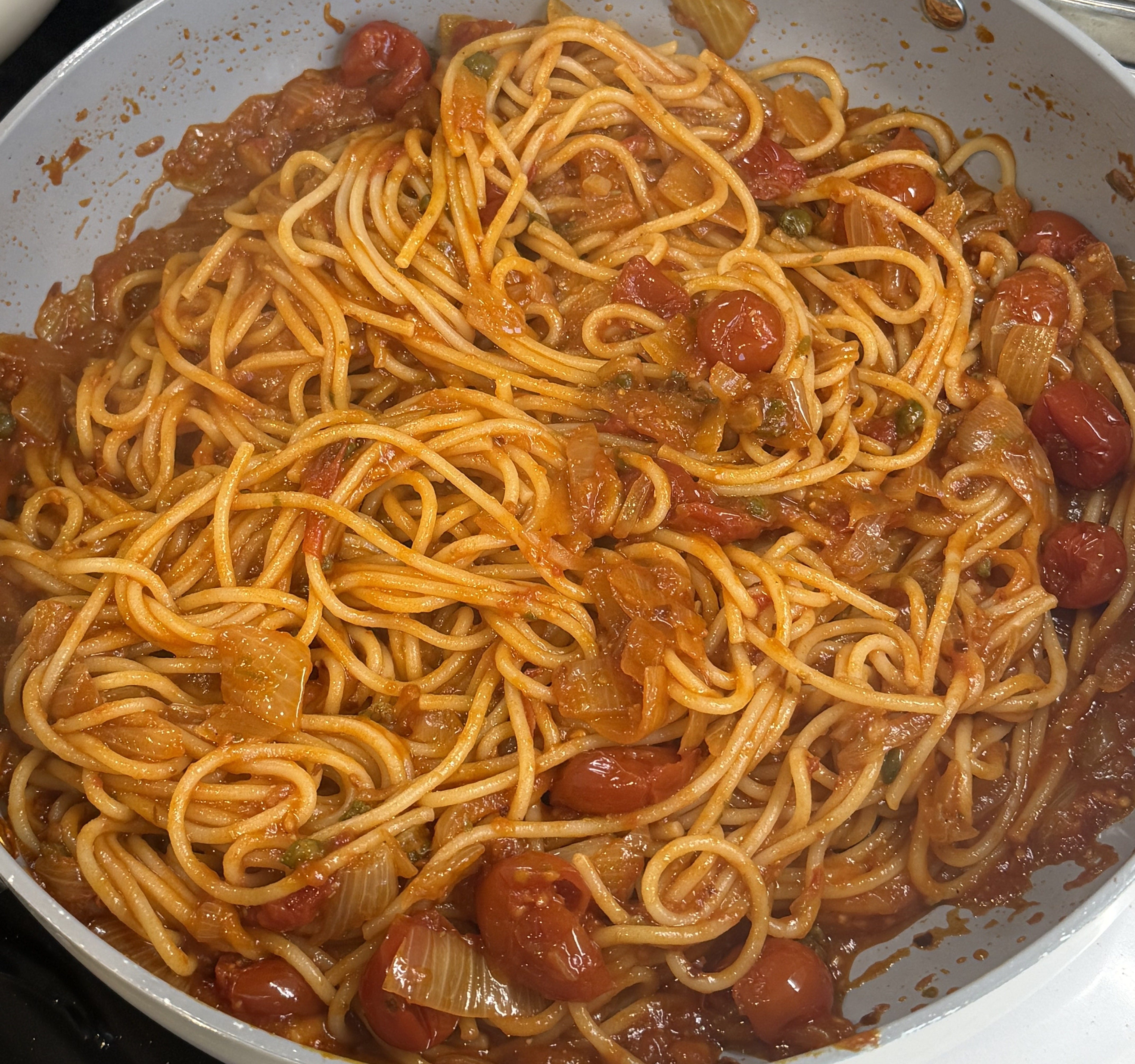
This week, in my work as a journalist, I’ve been writing about a topic I feel strongly about: carbs.
The much-maligned macronutrient is back in fashion, reports Waitrose, with sales of beans, potatoes, and bread booming. This is a significant turning point in UK food culture. For decades, carbs were the nutritional enemy number one – labelled unhealthy, indulgent, and fattening.
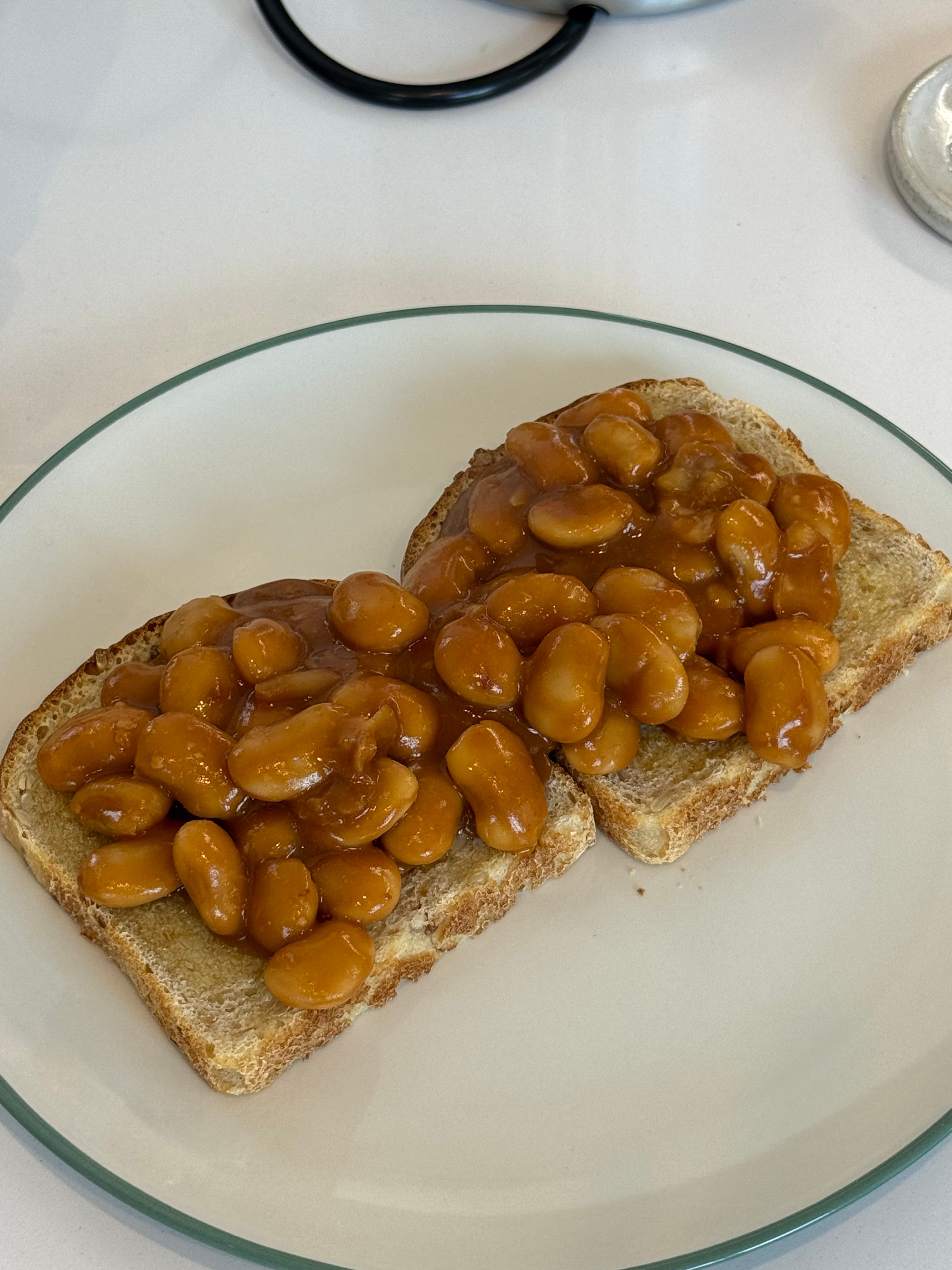
It’s an idea that’s so deeply embedded in the national psyche in fact that even though we’re seeing this shift, it’s still hard to convince believers otherwise.
Try to tell someone who hasn’t touched the stuff in years, that white pasta is a perfectly healthy part of a good diet (look at the Italians, I’ll plead) and they’ll stare at you with unabashed skepticism – as if you’ve drunk the Kool-Aid (the pasta water?) or perhaps work for Barilla.
It’s always really annoyed me – people depriving themselves of something joyful, for no good reason.
And it’s always been really hard to argue against. When a scary idea about food breaks through to the mainstream, it clings on for dear life and as hard as you try to swat it away, its grubby little hands won’t shift from the general consensus.
But now, at last, people are eating potatoes again – hoorah. Oats, grains, legumes, nuts, seeds are no longer feared but embraced as people have realised these “carbs” are full of fibre (actually a type of carb lol) and loads of other healthy properties.
It begs the question: maybe it was never the carb content that was the problem in the first place?
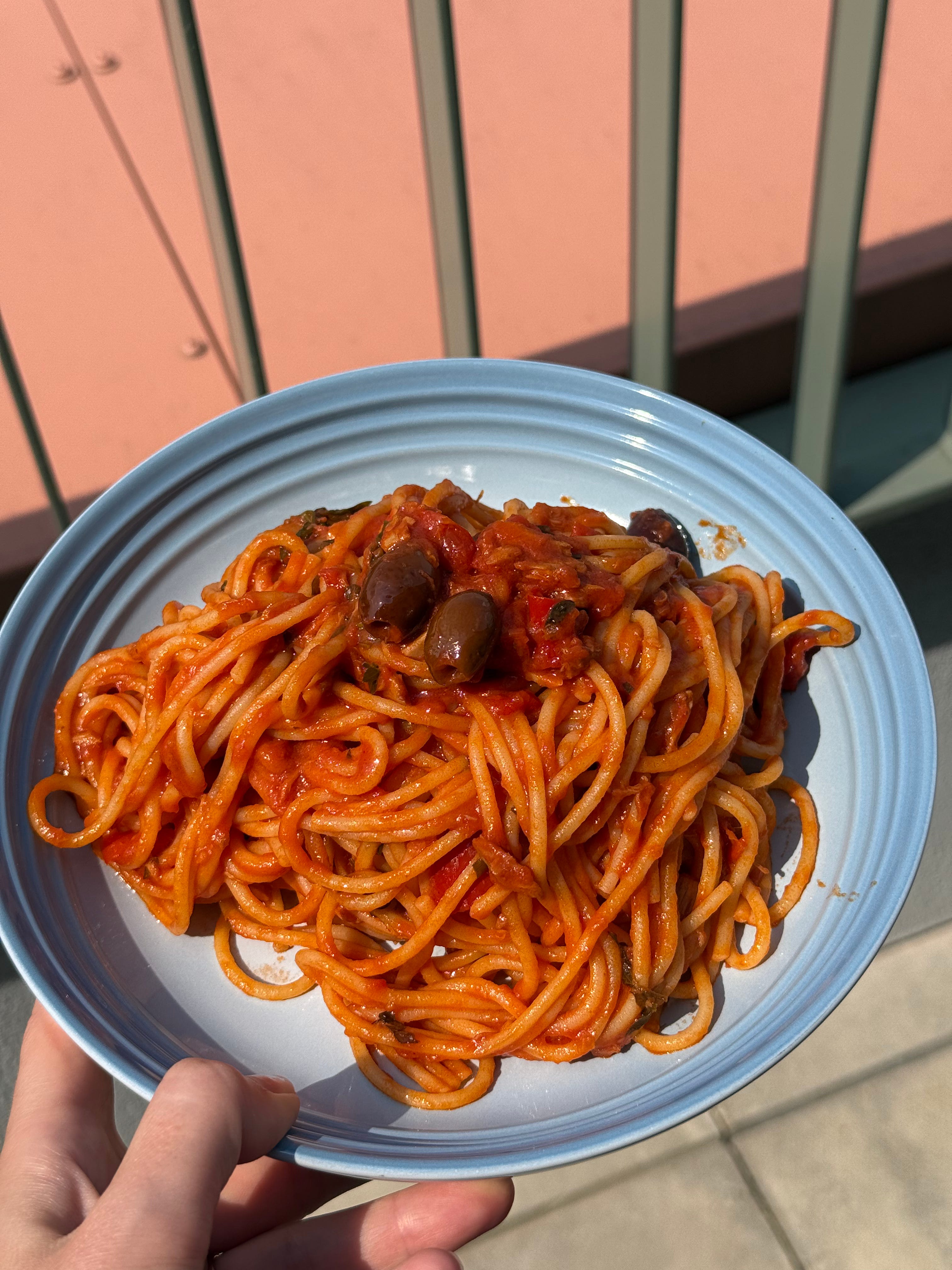
Were “carbs” ever unhealthy?
How might one pick things apart anyhow? Even if we were to work on the assumption that some carbs – fibre – are good, and other carbs – sugar – are bad, food doesn’t work like that.
Many whole foods contain both, like fruit. Bananas, in fact, contain fibre, starch and sugar – all three types of carbohydrate.
Moreover, the “carbs” might contain other things – beans, for example, contain lots of protein as well as fibre, and polyphenols (special plant chemicals our gut microbes love).
Food is not just “carbs” or “protein” or “Vitamin C”.
Besides, diets aren’t made up of just one thing
Another reason it’s silly to focus on foods’ component parts is that many foods make up a diet.
But let’s say, for argument’s sake that, since brown rice contains more fibre than white, we should only eat brown. Maybe that’s helpful if you exclusively live off rice.
But it’s simply not necessary if you eat a varied diet.
If you eat your white rice with a veggie chilli packed with kidney beans, sweet potato, peppers, other veggies, some guacamole and a nice bit of sour cream on the side then, my friends, you have a balanced meal.
But more than that, even if a single meal isn’t particularly balanced (sometimes all we want is pasta with butter and cheese), if your overall diet – what you eat in a week, month, year – is generally varied and balanced, you needn’t fret.
This is the trick of the diet industry
The diet industry always picks on an element of food and either elevates or denigrates it. It’s a way to scare you into buying things.
Fat used to be the worst thing you could eat and along came a whole industry of low-fat products and diet plans. No matter the food, just the mere presence of fat was enough to make it a no-go and for ages no one ate very healthy foods such as nuts, olive oil and yoghurt simply because they contained fat.
Then, with Atkins etc, the carb-fearing era rolled in and never left.
In recent years, the final of the three macronutrients, protein, became the golden child and is now put in everything from ice cream to bagels. This is the opposite problem – the overall nutritiousness of, say, a protein bagel is largely ignored simply because the presence of protein gives it a big tick.
But foods in their whole form are made up of many things, not just one, so this reductionism has never made sense.
We’re trapped in this cycle – an endless conveyer belt of pointlessness – that just leaves people confused and worried about what to eat. The messages of these fads needle their way into our subconscious, like hymns sung at primary school, until you find that you’re describing yourself as “naughty” for eating some toast.
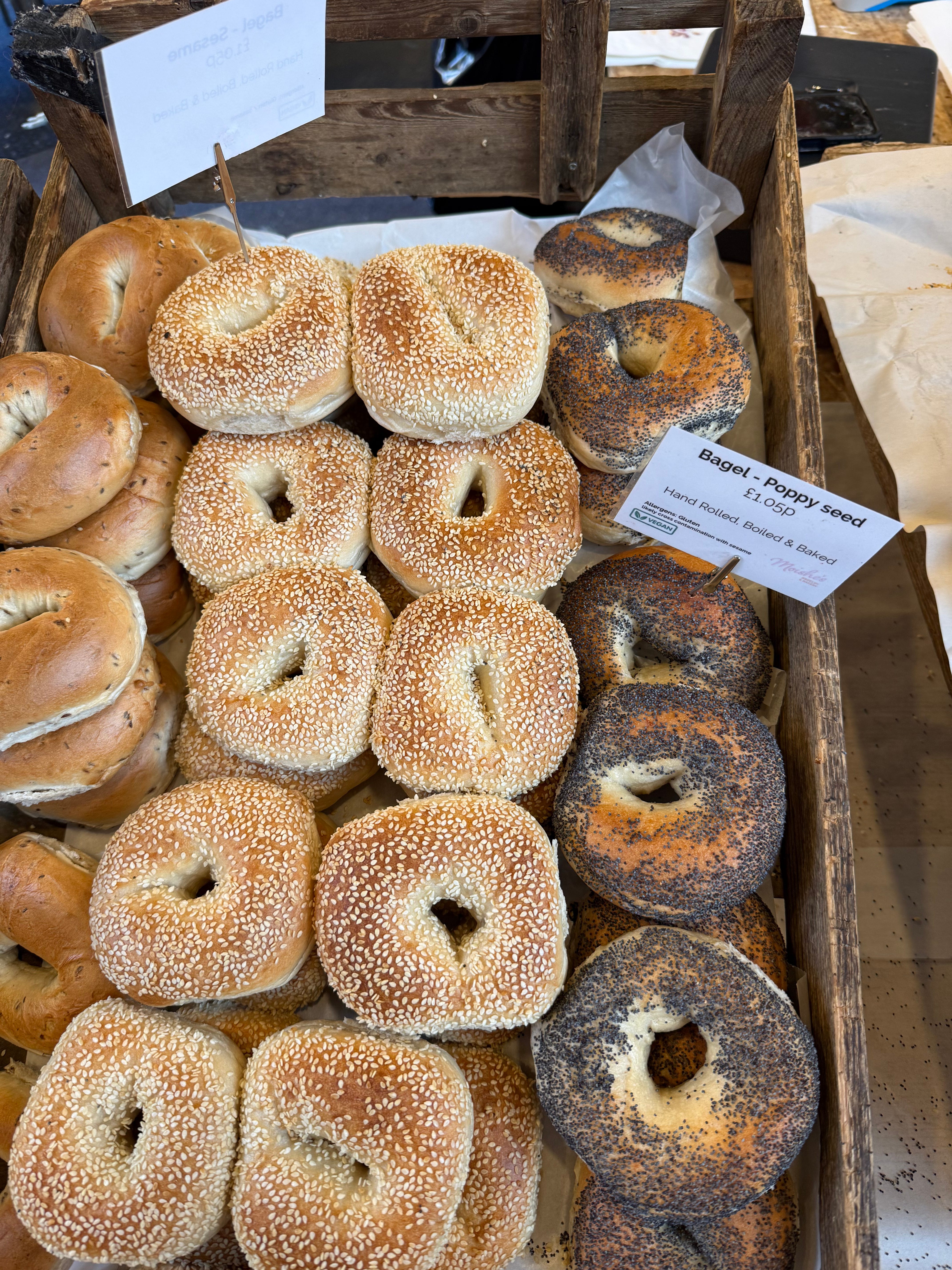
Are there “good” and “bad” carbs?
Since carbs are in all plant foods – legumes, vegetables, wholegrains, fruit, nuts, seeds – which, shock, horror, are very healthy for you – it’s kind of curious that the category ever got a bad name.
But I guess what people think of when they think of carbs is actually industrially-made beige items. Supermarket pastries, cookies, UPF bread, muffins, pancakes and so on. You don’t need anyone to tell you that eating a lot of nutrient-poor, energy-dense UPF on a regular basis might not be a good idea.
But it was never the fact that these things contained “carbs” that was problematic. Again, it’s the whole package + how frequently you eat them that makes a difference.
There’s no such thing as good carbs and bad carbs: it’s really just a question of food quality and overall dietary pattern.
Sadly however, the diet industry likes things to be more black and white aka carbs = bad. This is how other beige foods, like bread, pasta and beans, all got tarred with the same brush.
Ironically the current fibre craze is selling books, in just the same way that carb-fearing did – even though they’re talking about the same thing.
And that’s the point: reductionist thinking is profitable, but not necessarily helpful.
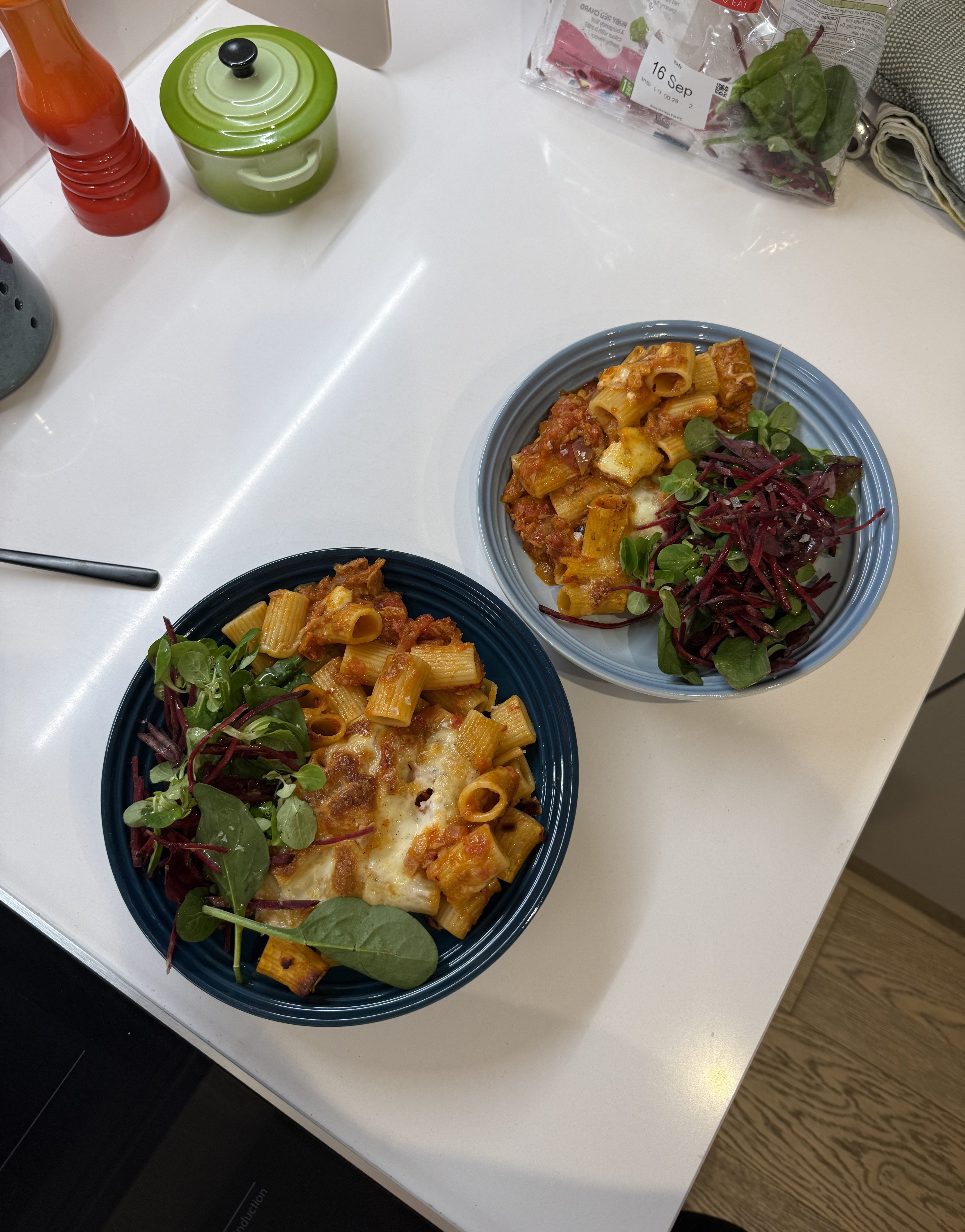
Flavour
The Mediterranean Diet – generally considered one of the healthiest eating patterns – is of course known for its emphasis on plant foods, olive oil, a little fish and only occasional meat.
But there is one thing that this diet prizes above all else: flavour.
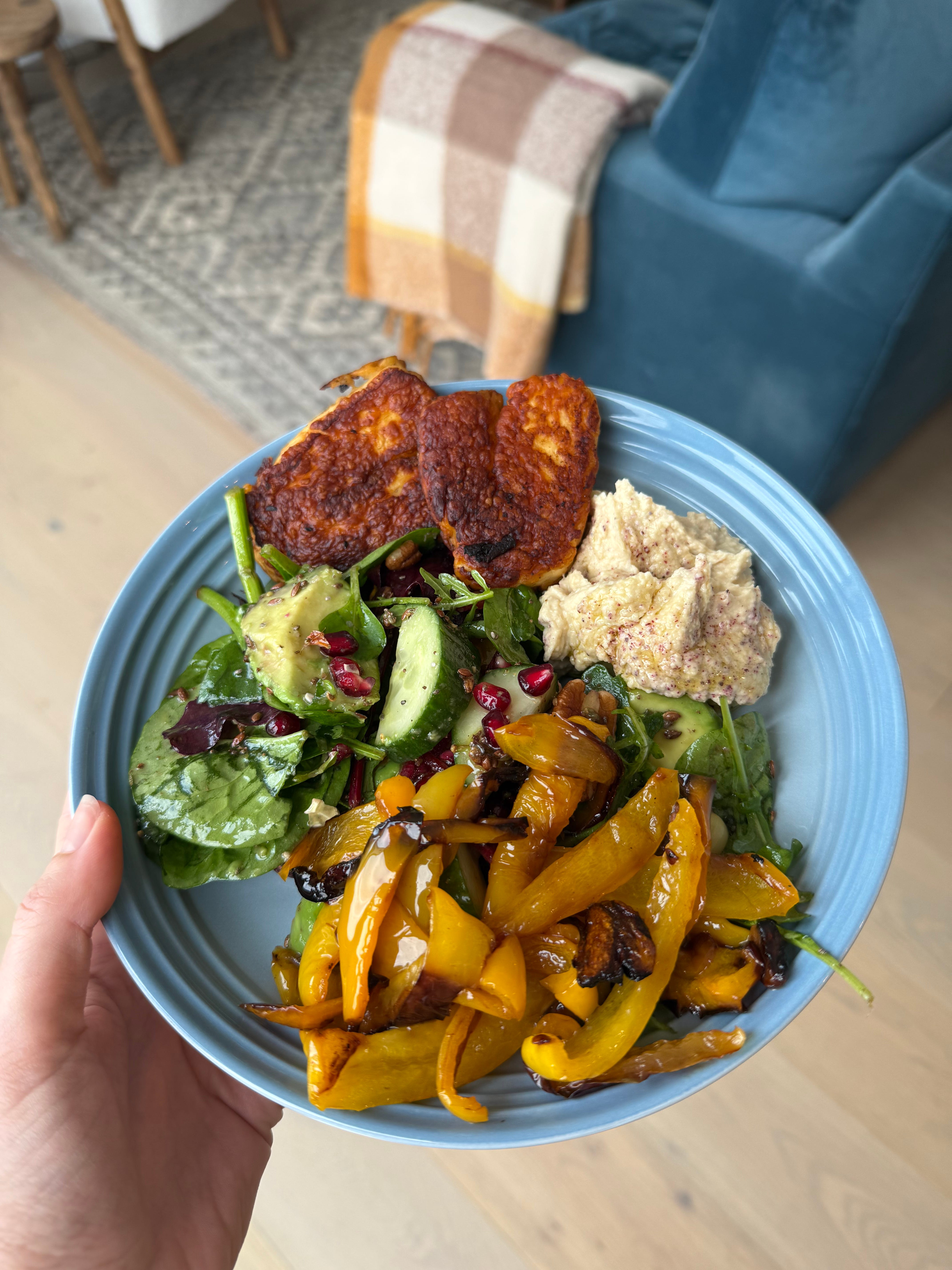
I think that’s the most important “nutrient”. When we focus on flavour, we naturally reach for more plants, more variety, more colour, more spices and herbs, more texture. We cook more, experiment more, enjoy more. And that’s what truly supports long-term health – not obsessing over grams of this or that.
Savouring flavour is also very grounding – putting us back in touch with food and the world – rather than lost in a dizzying fog of macros and moralising. It makes us much less susceptible to the diet industry’s tactics and leaves us with an easier, happier relationship with what we eat.
In the end, flavour is a compass. And it always points us somewhere good.
Fed Up Recommends
I’ve been eating very well lately and I want so share with you some highlights.
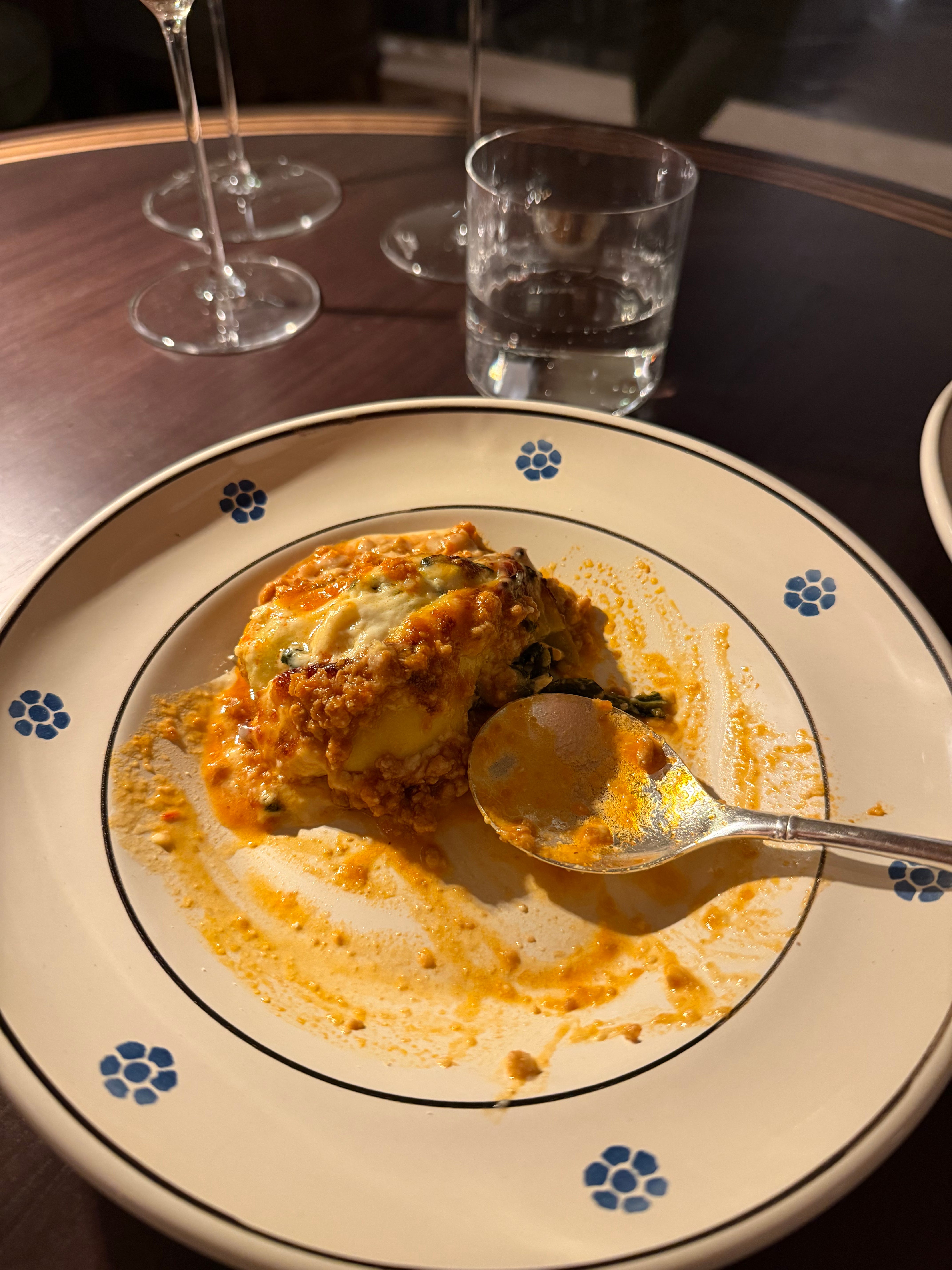
The Calabrian lasagna at Francesco’s Mazzei’s Mezzogiorno
I can’t stop thinking about this lasagna. It’s layered with mini meatballs, egg, fried aubergine, spinach and a sweet-salty pork ragu which, I know, sounds nuts. But it’s amazing, and somehow, delicate. Of course that’s credit to Francesco’s exceptional cooking. It takes a lightness of touch to make a dish that’s so rambunctious, so refined, and he does it in style.
Mezzogiorno is also just such a beautiful restaurant. Set in the Corinthia Hotel in London, the space feels like a grand, Italian ballroom, decorated in soft terracotta, but in the next room is the open kitchen where you can watch chefs finishing pasta or passing giant bowls of tiramisu around. “This is my kitchen, and that’s my living room,” said Francesco, when I visited. Quite a gaff, indeed.
Mezzogiorno is the best place to eat Italian food in London right now, hands down.
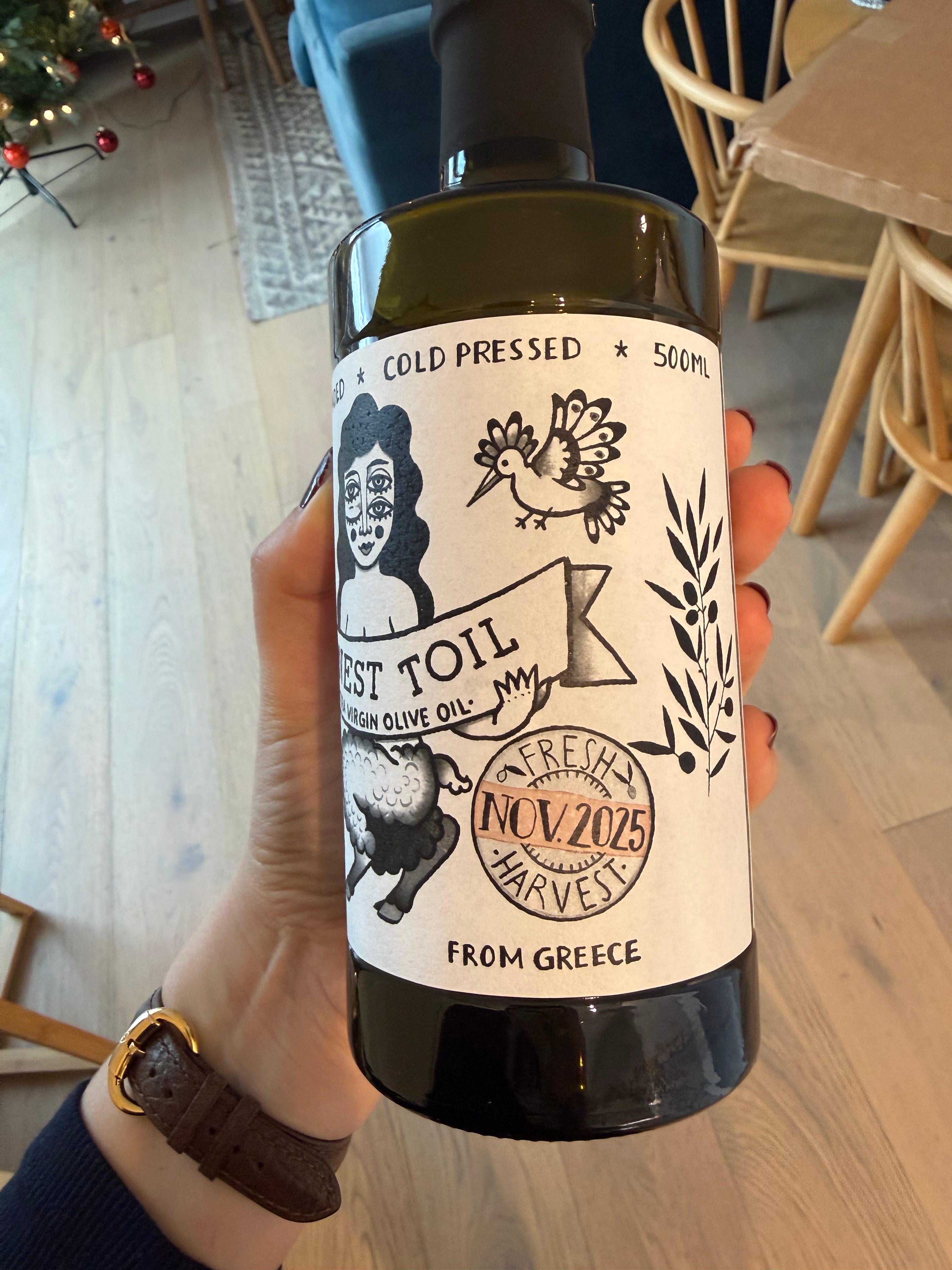
Honest Toil new harvest EVOO
Generally I really love Tuscan extra virgin olive oil. It’s big, it’s bold, it’s in your face. But I’ve recently discovered Honest Toil, an EVOO from a rural part of Greece, by a couple who actually live out there and oversee the whole process themselves.
This EVOO is totally different to my Tuscan showstopper, but it’s just as beautiful. It’s delicate, exceptionally creamy with a transportive freshness that makes you feel like you’re lying in a field of freshly-cut grass. “It tastes like the plant,” says Juli, one of the owners, and she’s right. If you could taste the colour green, that would be it. It’s a beautifully balanced oil and I am a huge fan of the brand. The new harvest (pressed just weeks ago) is out now!
If you’re interested in more EVOO recommendations and tips for how to buy and use it, I’ve started a new Instagram account @theevooedit
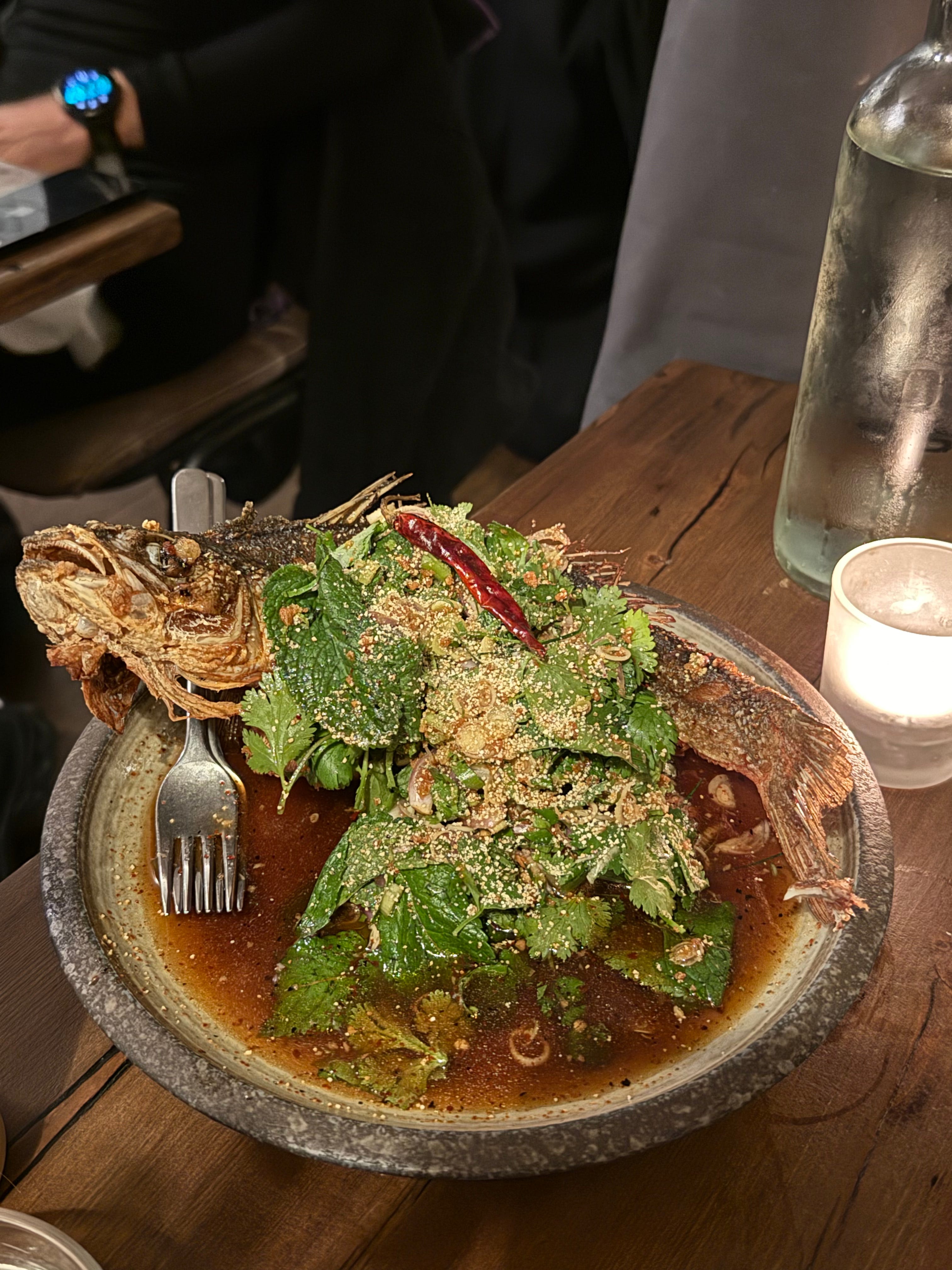
The whole deep-fried sea bass as Som Saa
This isn’t a new menu item but Som Saa, a Thai restaurant in Spitalfields, has just re-opened so you can go and have it again. The combination of herbs and spices on it are truly out of this world. It’s tangy, sweet, sour, herby, spicy. If you want your mind to be blown by flavour, go and eat this.
Thanks for reading.
See you next week!
G x
Brill stuff mate. Pasta last night at an Emilian restaurant, homemade waffles for breakfast, and sourdough with soup for lunch today. Feel great, feel healthy. Your book and this Substack has really cut through my unconscious anti-carb bias that was ingrained (pun intended) from forever ago. x
Love how you connect this back to flavor in the end, yes!!